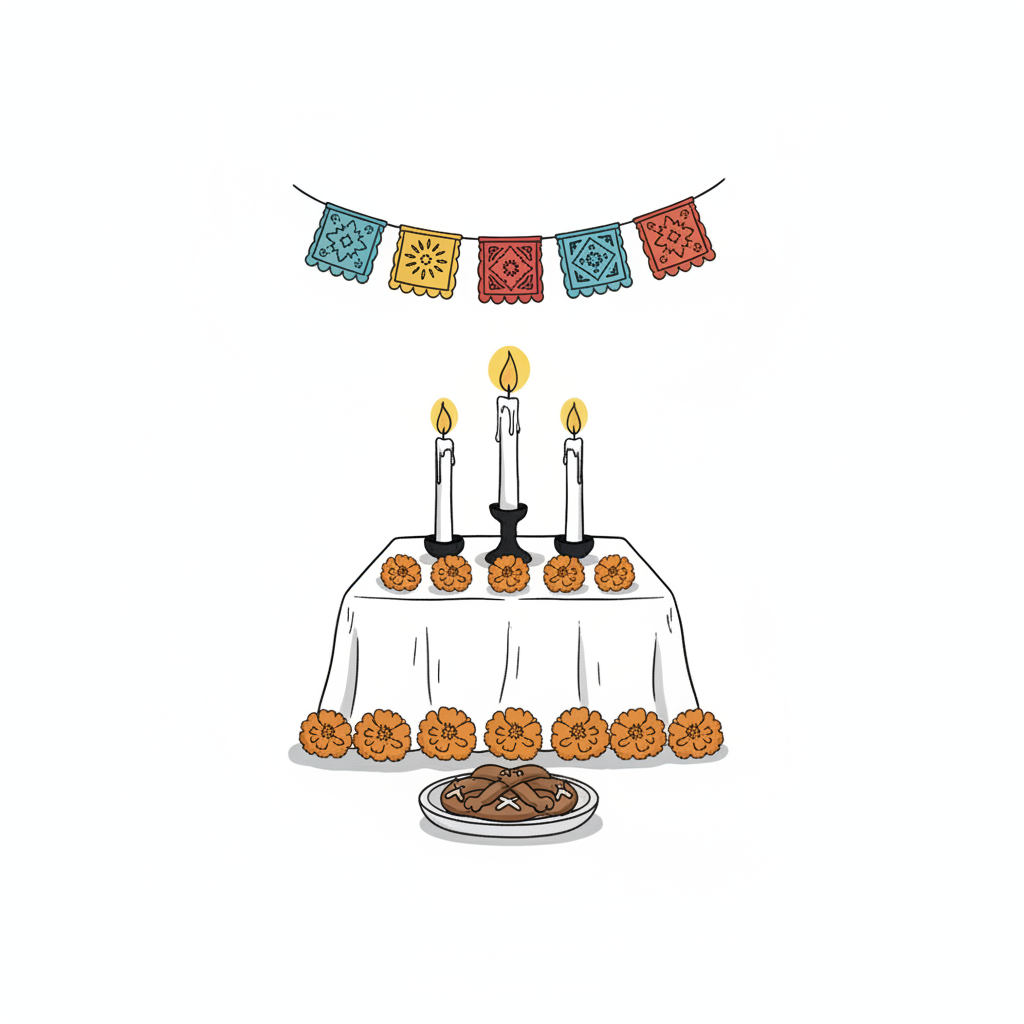
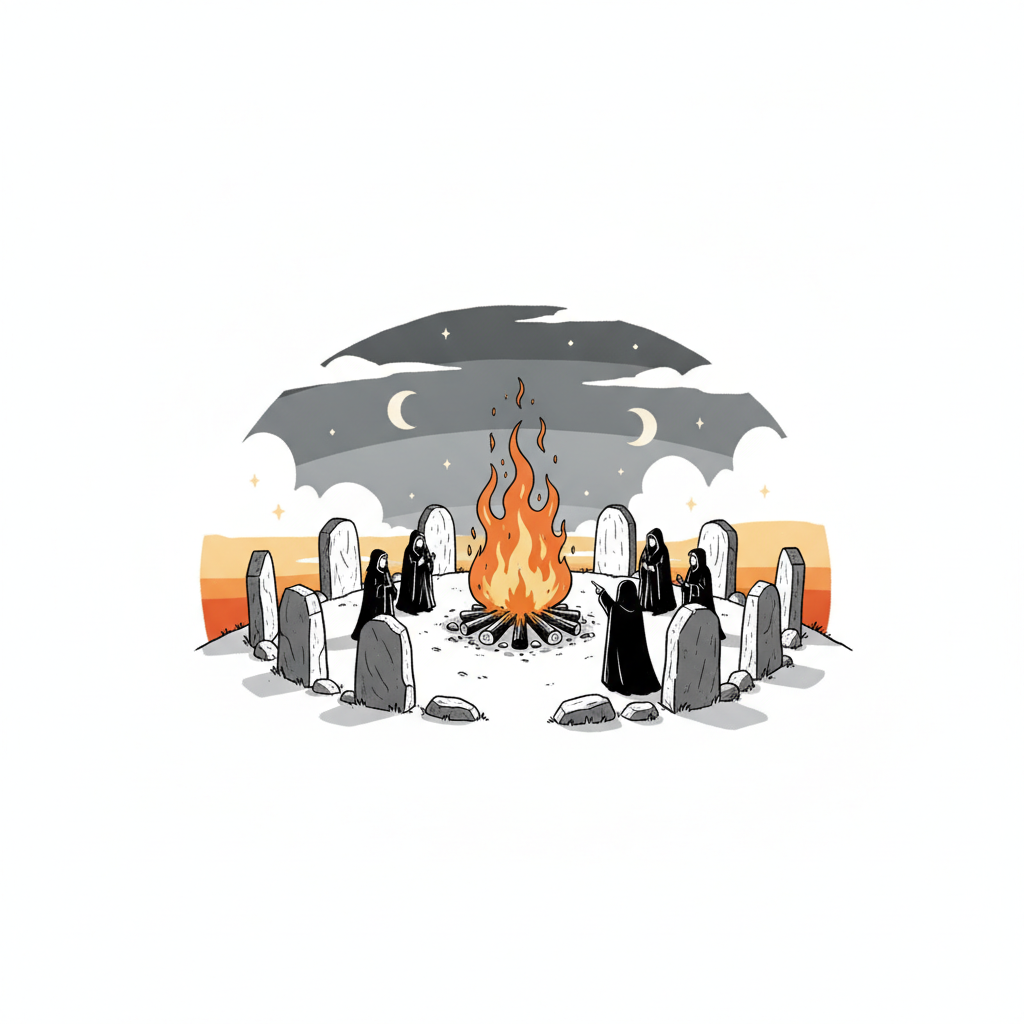
| Datum Date | 31. října – večer před Všemi svatými 31 October – the evening before All Saints’ | 2. listopadu – den po Všech svatých 2 November – the day after All Saints’[1][2] |
|---|
| Původ Origin | Předvečer Všech svatých („All Hallows’ Eve“), lidové zvyky Irska a Skotska; vliv Samhainu je předmětem debat The eve of All Saints’ (“All Hallows’ Eve”), folk customs of Ireland and Scotland; the influence of Samhain is debated | Křesťanská památka zesnulých zavedená v klášterech kolem Cluny kolem roku 1000 A Christian commemoration of the dead instituted in Cluny’s monasteries around the year 1000[3][4][2] |
|---|
| Nálada Mood | Hravá, „strašidelná“, veselá Playful, “spooky”, fun | Tichá, pietní, rodinná Quiet, respectful, family-centred[1][7] |
|---|
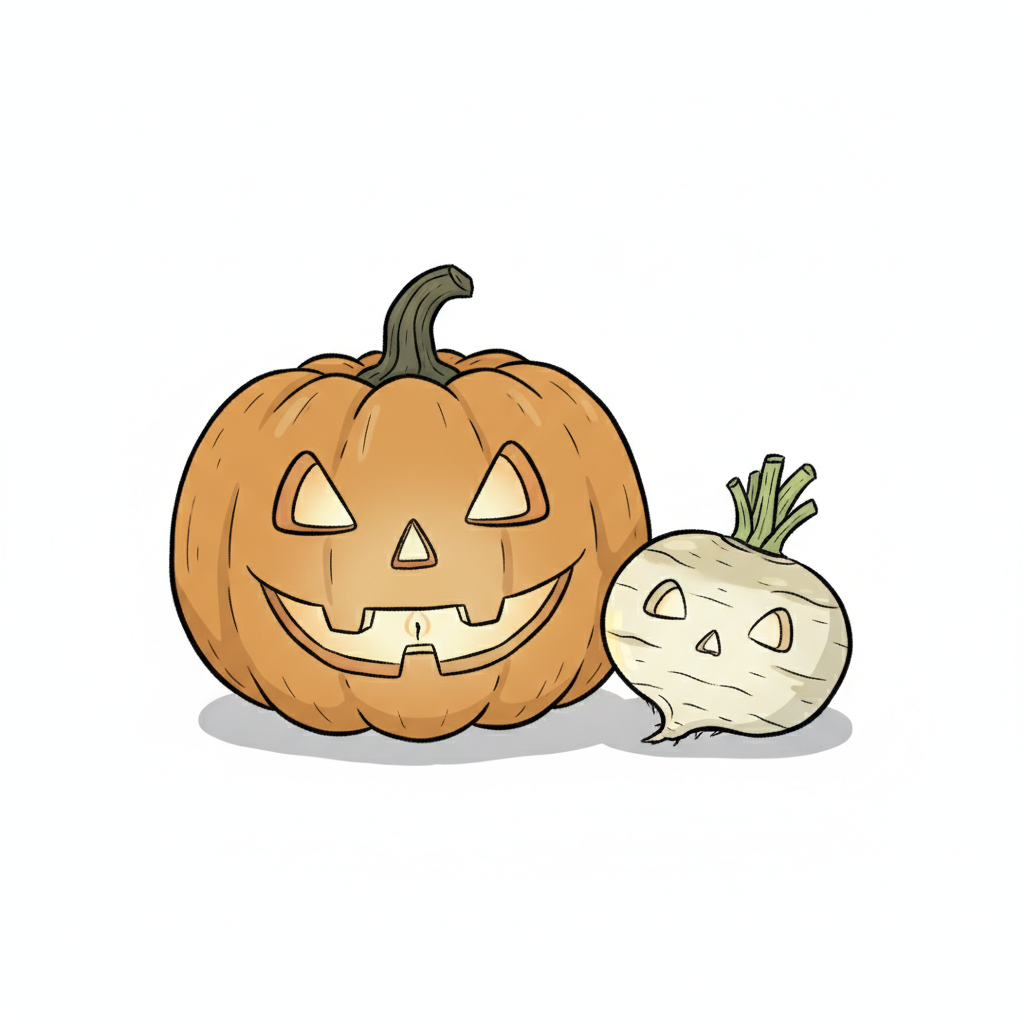
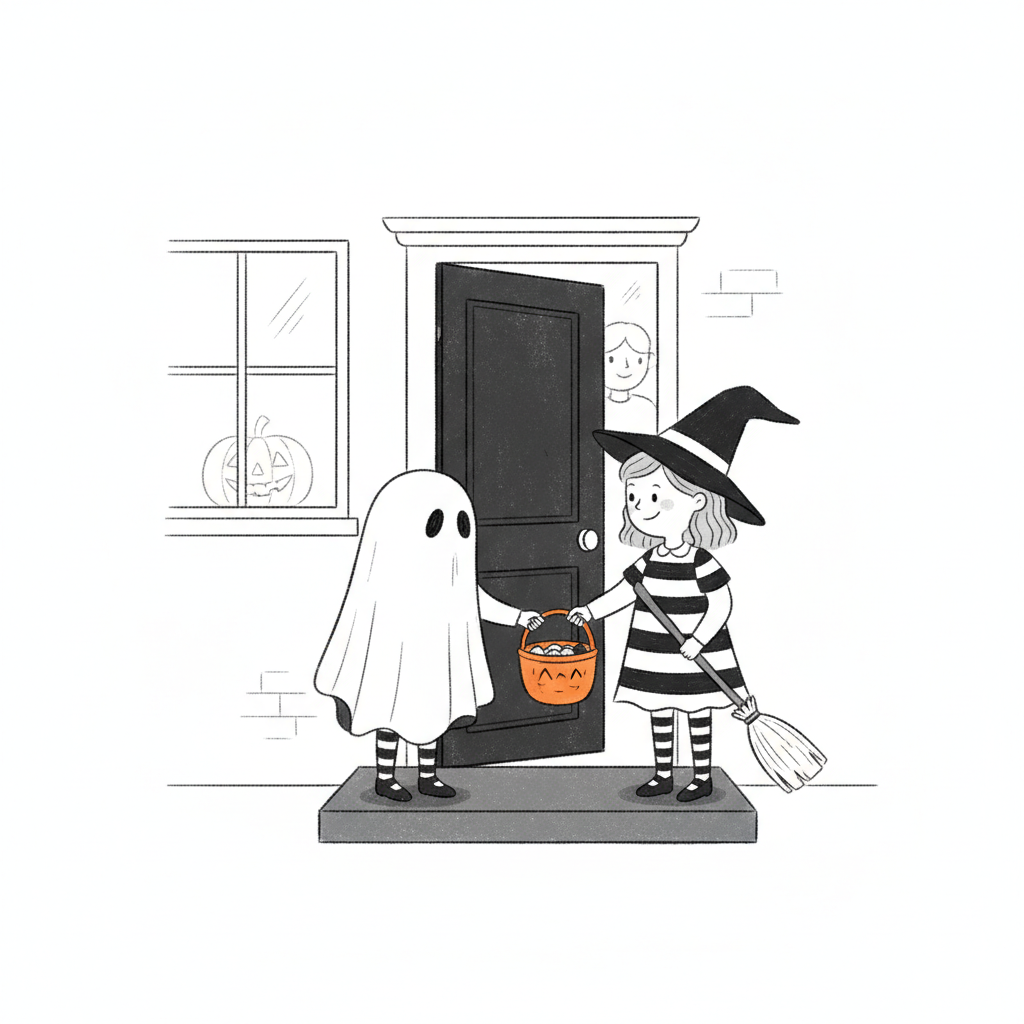
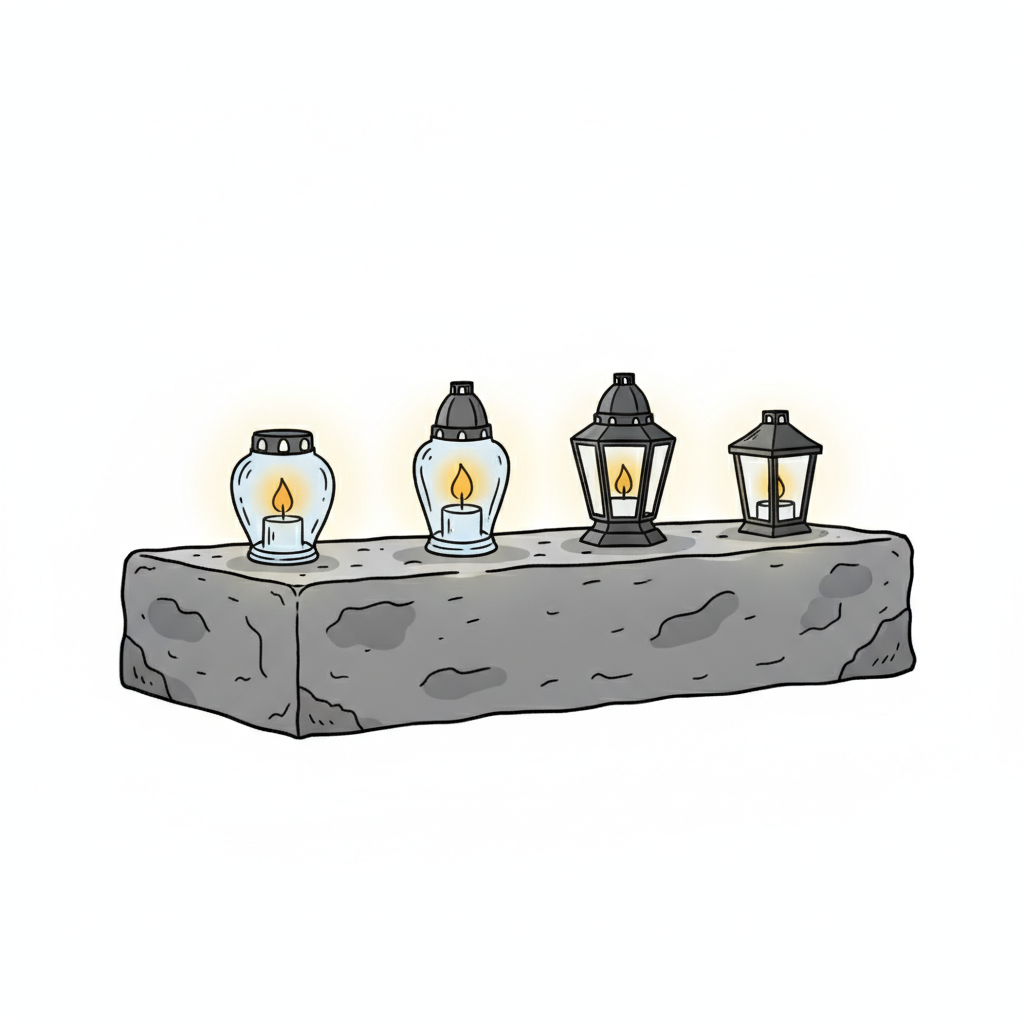
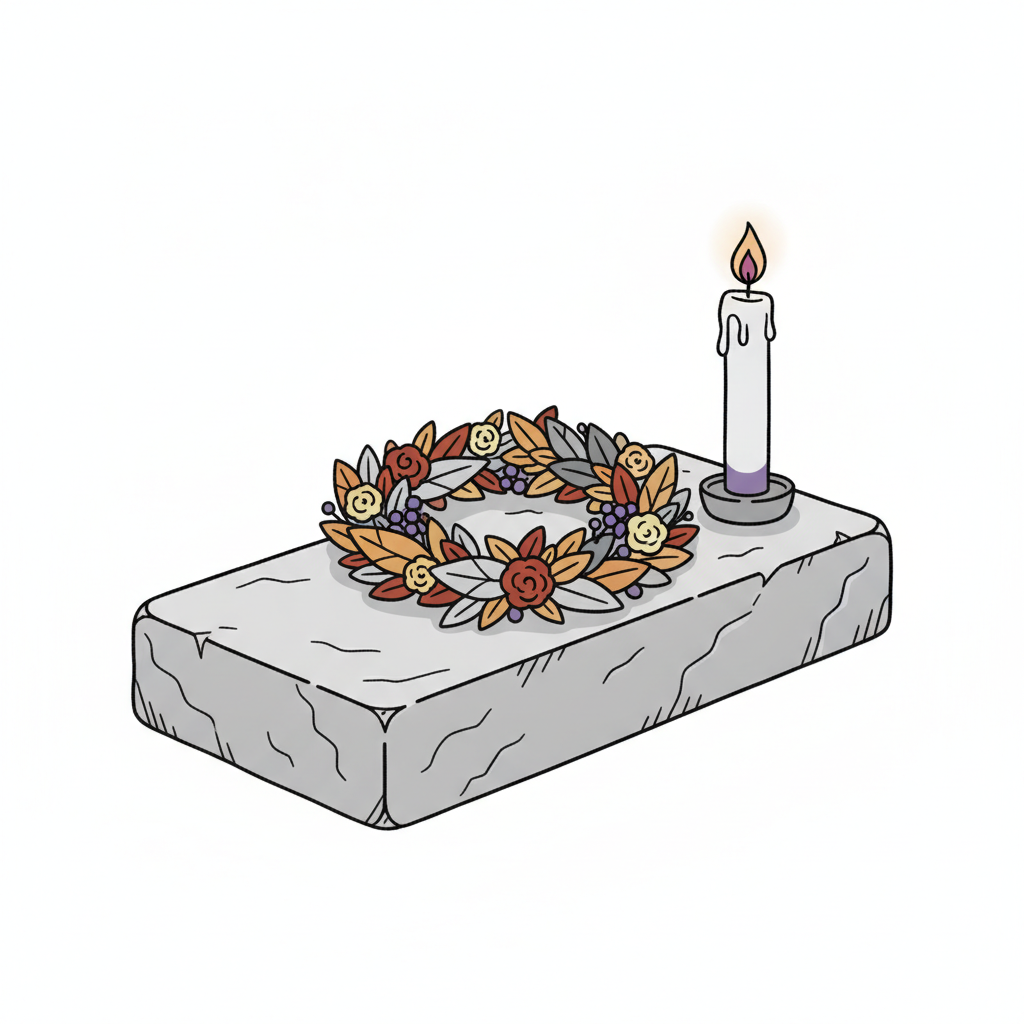
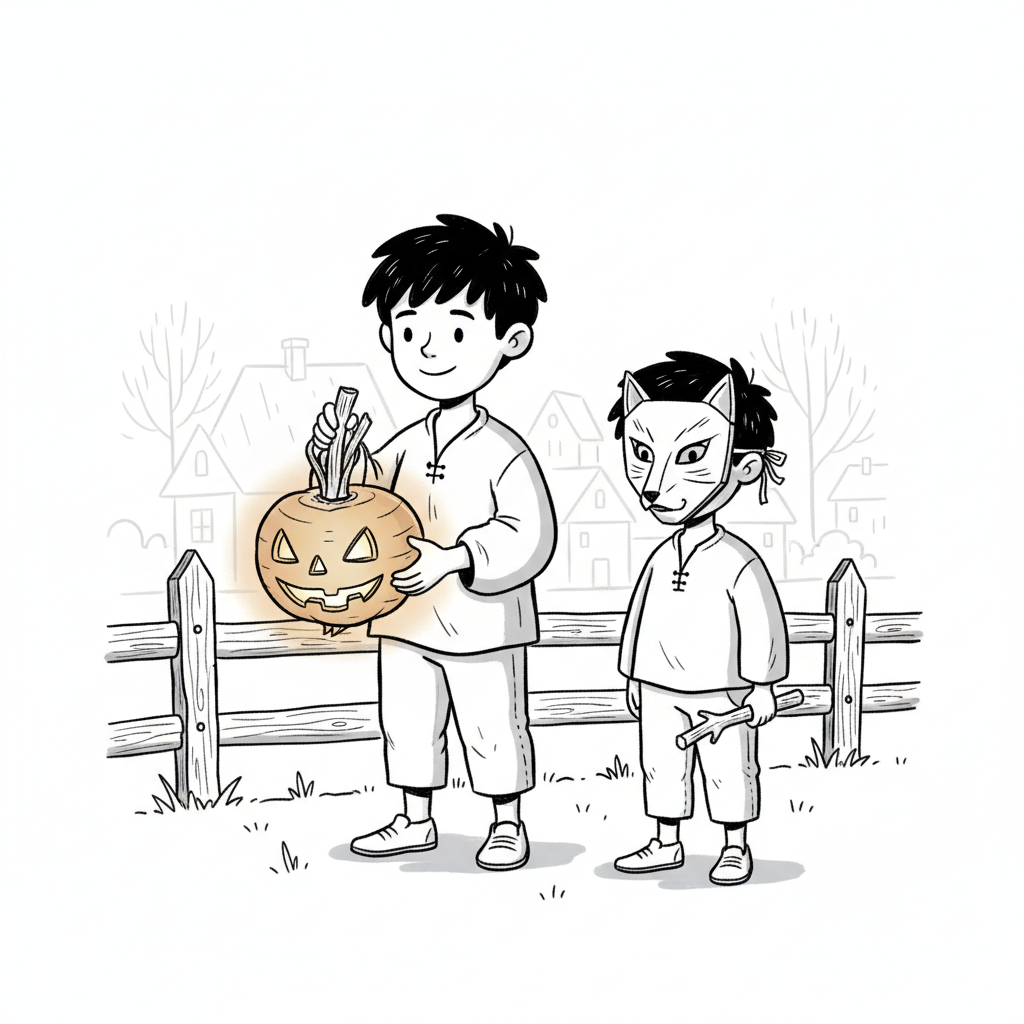
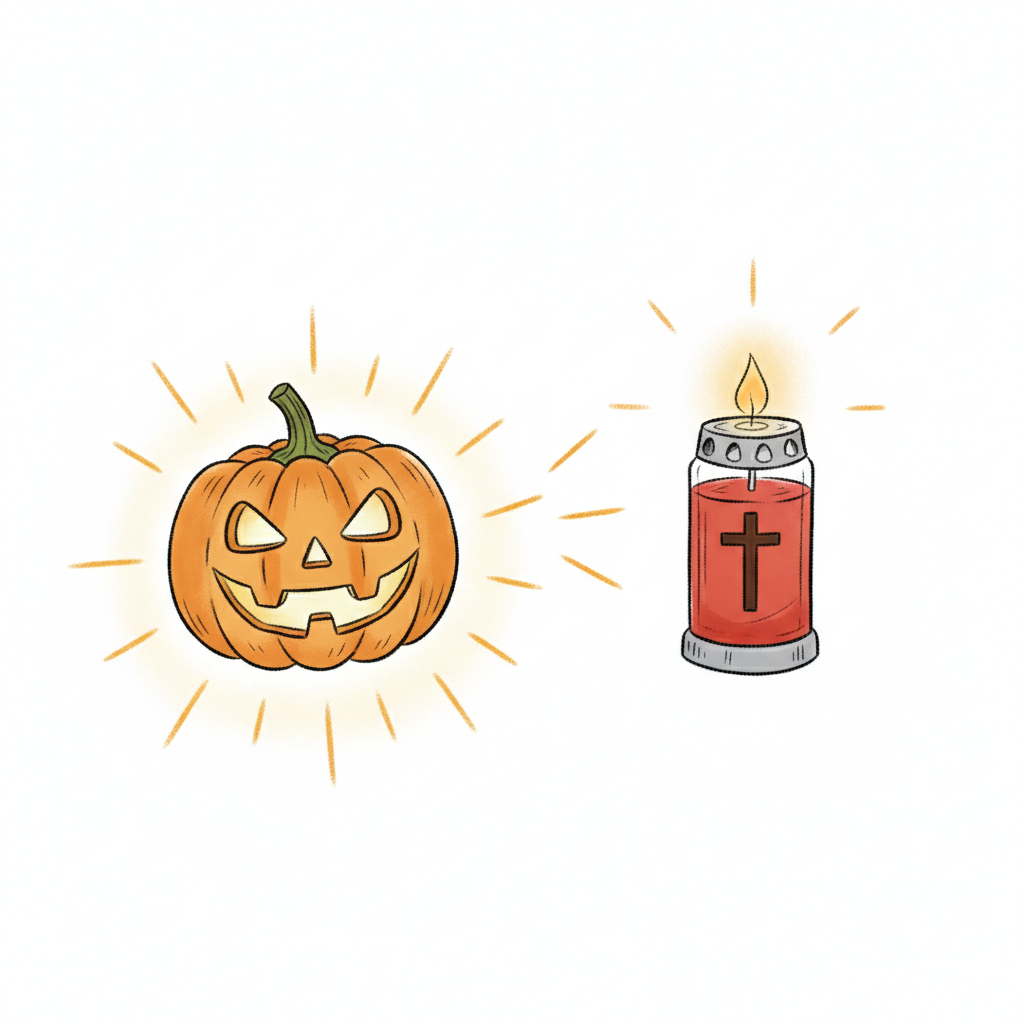
| Symboly a zvyky Symbols and customs | Lucerna z dýně, kostýmy, trick or treat, sladkosti Jack-o’-lantern, costumes, trick or treat, sweets | Svíčky na hrobech, věnce, květiny, návštěva hřbitova Candles on graves, wreaths, flowers, a visit to the cemetery[1][7] |
|---|
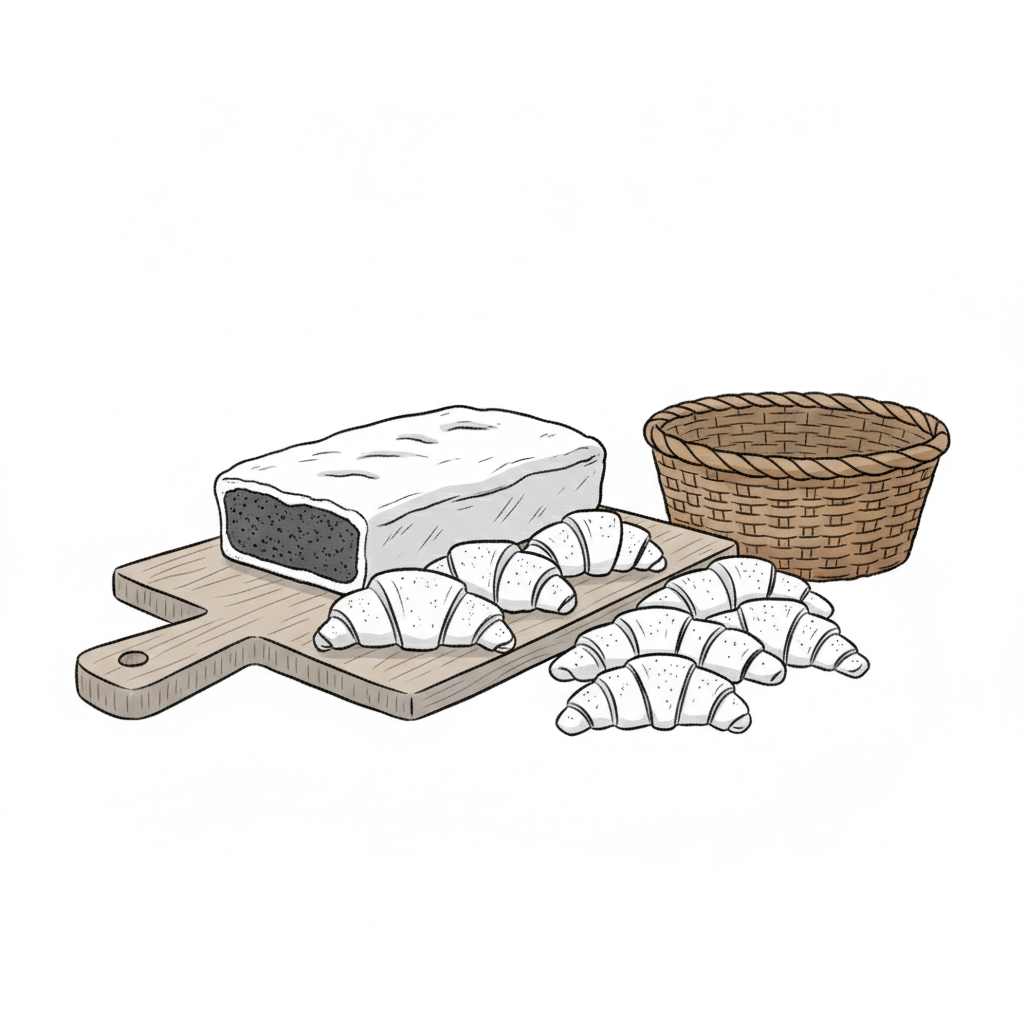
| Pečivo a dary Baking and gifts | Sladkosti pro děti při „trick or treat“ (dříve „soul cakes“) Sweets for children when trick-or-treating (earlier “soul cakes”) | Dušičkové pečivo a almužna pro chudé u kostela Dušičky pastry and alms for the poor at the church[4][8] |
|---|
| Kde je „doma“ Where it is “at home” | Anglicky mluvící svět, hlavně USA, Irsko, Velká Británie, Kanada The English-speaking world, especially the USA, Ireland, the UK, Canada | Česko a další křesťanské země střední Evropy Czechia and other Christian countries of Central Europe[4][7] |
|---|
| Společné In common | Podzim, tma, světlo, vzpomínka na zemřelé, křesťanský kalendář Autumn, darkness, light, remembering the dead, the Christian calendar | Podzim, tma, světlo, vzpomínka na zemřelé, křesťanský kalendář Autumn, darkness, light, remembering the dead, the Christian calendar[1][2] |
|---|